Strategic Procurement: Controlling Costs in Advanced Composites
Control composite procurement costs. Analyze the cost drivers of 6 fiberglass types (SMC, Pultrusion) and prioritize Life Cycle Cost (LCC) for long-term value.
The shift from traditional materials to advanced composites has fundamentally changed the calculus of industrial procurement. For business-to-business (B2B) partners, the acquisition of high-performance fiberglass materials is no longer driven solely by unit price, but by a detailed analysis of process suitability, tooling investment, and total life cycle cost (LCC). Procuring composites requires understanding the complex cost drivers inherent in various manufacturing methods, from compression molding to continuous pultrusion lines. Strategic sourcing from a trusted fiberglass supplier enables companies to control costs, maintain product quality, and achieve the demanding performance metrics required in industries such as Aerospace, Oil & Gas, and Automotive.
The final procurement cost of a fiberglass component is influenced by a combination of material science and production logistics. A trustworthy fiberglass manufacturer provides transparency into these variables, allowing partners to select the most cost-effective process for their unique volume and geometry requirements.

Raw Material Volatility and Process Complexity
The most significant variable in composite cost is the raw material input. The price stability of the resin (polyester, vinyl ester, epoxy) and the grade of the glass fiber reinforcement (E-glass, S-glass) directly affect the final component price. However, the subsequent process complexity quickly dictates the final unit cost:
Customization and Tooling Investment
The degree of product customization directly correlates with the tooling investment and, consequently, the procurement cost.
Effective procurement in the composites market requires a segmented strategy that addresses the unique supply chain needs of each product type. The complexity ranges from the straightforward acquisition of off-the-shelf fiberglass sheets to the custom sourcing of engineered solutions.
Sourcing High-Volume and Commodity Products
For widely used reinforcement products, procurement emphasizes cost-effectiveness, consistency, and supply chain logistics.
Acquiring Specialty and Performance Composites
When products demand high specific strength or resistance to harsh environments, procurement must prioritize technical partnership over low cost.
A critical mistake in composites procurement is focusing solely on the Initial Purchase Price (IPP). The true economic advantage of fiberglass often lies in its Life Cycle Cost (LCC) savings over materials like steel or aluminum. LCC accounts for acquisition, installation, maintenance, and disposal over the product’s lifespan.
The Long-Term Value of Corrosion Resistance
Installation and Operational Cost Savings
The lightweight nature of fiberglass composites translates directly into reduced project costs outside of material acquisition.
Established in 1996, Redhawk Fiberglass has grown to become a provider of high-performance composite solutions. Our commitment to innovation and quality has driven our success for decades. We specialize in the research, development, and production of advanced fiberglass composites designed to meet the most demanding industrial requirements. At Redhawk Fiberglass, we pride ourselves on offering a comprehensive range of products tailored for diverse applications.
Redhawk Fiberglass serves as a trusted manufacturer of fiberglass products, focusing on technical partnership to optimize the client’s procurement process. By controlling the entire manufacturing cycle, from the raw glass to the final SMC, pultrusion, or filament wound component, we provide cost stability and certified quality. We support procurement teams by providing technical cost modeling and value analysis, ensuring the chosen fiberglass supply method, whether it involves highly automated SMC fiberglass production or the continuous efficiency of pultrusion, delivers the lowest possible Total Cost of Ownership across the product life cycle.
The effective procurement of fiberglass composites requires moving beyond the surface cost of the part and embracing a holistic Life Cycle Cost perspective. B2B purchasing must account for tooling and capital investment (high for SMC, low for Pultrusion), operational efficiencies (short cycle times for Engineering Thermoplastics), and long-term savings derived from superior material properties (corrosion resistance in Filament Winding, durability in Gypsum fiberglass). By strategically partnering with a vertically integrated fiberglass manufacturer that offers expertise across all six major product lines, businesses can secure high-quality, cost-effective, and performance-validated composite solutions for every industrial application.
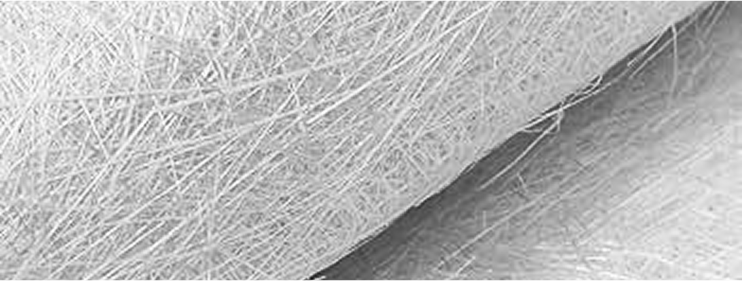
Leading fiberglass manufacturer Redhawk Fiberglass offers a 6-Point Mat (Chopped Strand Fiberglass), which features excellent flowability and high-temperature stability for diverse fiberglass composites

Premier fiberglass manufacturer Redhawk Fiberglass offers Glass Fiber Reinforced Gypsum (GRG) board, a lightweight, high-strength solution for diverse architectural and construction applications.
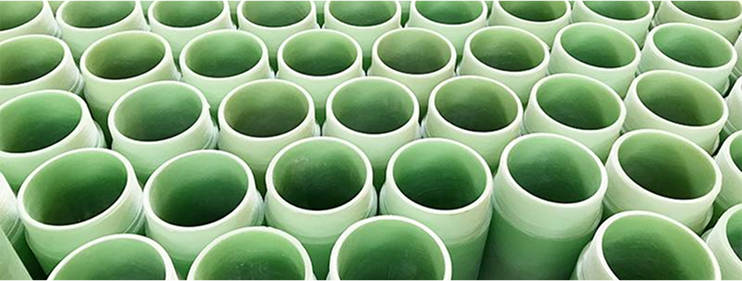
Premier fiberglass manufacturer Redhawk Fiberglass offers Filament Winding, creating precise, high-strength fiberglass composites with excellent thermal and chemical stability for demanding applications.
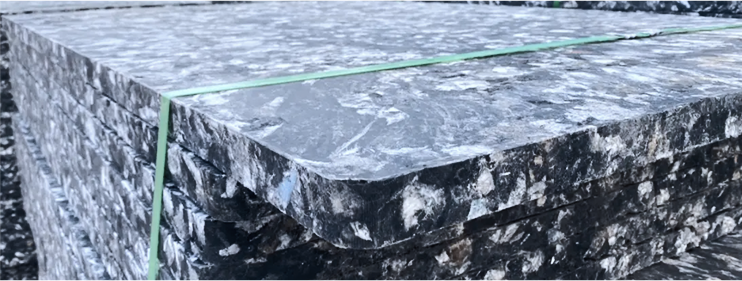
Premier fiberglass manufacturer Redhawk Fiberglass offers Engineering Thermoplastics (GFRT), a lightweight, high-performance fiberglass composite that boosts strength, heat resistance, and dimensional stability for diverse industrial uses.





.png)