SMC Fiberglass for Electrical Enclosures and Switchgear
Explore how SMC fiberglass protects electrical enclosures and switchgear from corrosion. Discover the benefits of this non-conductive, high-strength material for critical power grid infrastructure.
The infrastructure supporting the modern power grid and industrial control systems operates under relentless attack from environmental factors. From coastal salt spray and acid rain in urban environments to extreme temperature fluctuations in remote areas, metal enclosures, and housing units for sensitive electrical equipment face constant corrosion and degradation. This deterioration compromises safety, reduces the lifespan of critical assets, and drives up maintenance costs for utilities and industrial operators. SMC fiberglass (Sheet Molding Compound) offers a definitive solution. This advanced composite material, engineered specifically for high-performance industrial applications, provides the superior environmental protection and non-conductive properties essential for reliable electrical and electronics infrastructure. This article explores how SMC has become the material of choice for protecting the grid, detailing its manufacturing process and core advantages over traditional metallic materials.
The Production Advantage: Manufacturing SMC Fiberglass
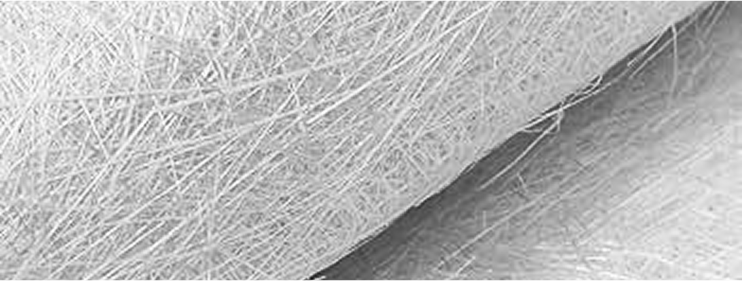
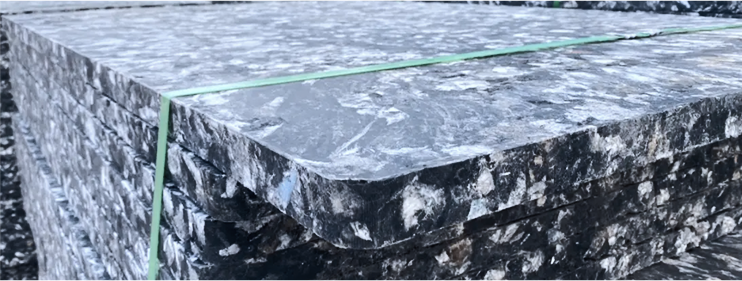
SMC is a ready to mold, reinforced thermoset material comprised primarily of a thermosetting resin (typically polyester), fillers, additives, and glass fiber. The compounding process is highly controlled and automated, ensuring uniformity and excellent performance consistency in the final molded components, such as fiberglass sheets and complex enclosures.
The SMC Fiberglass Process
SMC is a composite material mainly composed of glass, and it is widely used in the Automotive, Construction, and Aerospace industries. As environmental regulations become stricter and the demand for lightweight, durable materials increases, the process has been continuously optimized.
The foundation of the compound begins with the meticulous preparation of the reinforcing fiberglass.
Raw Material Preparation: High quality glass is prepared for processing.
Washing and Screening: The glass is conveyed to a vibrating machine equipped with a cleaning system, where the glass is screened and purified.
High-Temperature Melting: The purified glass is melted in a glass melting furnace at high temperatures.
Fiber Drawing: The molten glass enters a fiber drawing machine, where it is drawn into fibers and shaped by passing through a chemical water tank.
Baking and Roving Formation: The fibers are baked in a microwave oven for five to six hours to set their form. The finished glass fibers are twisted into strands using a roving machine.
The prepared glass fibers are then chopped and compounded into the resin paste, which is carried between two layers of carrier film, forming the signature sheet structure of SMC. This sheet is then cured under high temperature and pressure using compression molding to produce the final, intricate components, such as durable electrical boxes and structural SMC fiberglass parts.
SMC for Electrical and Environmental Protection
The inherent properties of SMC fiberglass make it fundamentally superior to materials like carbon steel or aluminum for housing outdoor or chemically exposed electronics. Its advantages are rooted in its composite structure and thermoset matrix.
Absolute Corrosion Resistance
Unlike metal, which is subject to galvanic corrosion, rust, and chemical degradation, SMC is completely inert. Its structure, composed of fiber and polymer, means it will not rust or corrode when exposed to moisture, salt spray, industrial gases, or common chemical spills. This makes it an ideal choice for facilities in coastal regions, wastewater treatment plants, and industrial processing areas, ensuring that the fiberglass sheet material used for switchgear panels maintains its integrity over decades without specialized coatings or frequent maintenance.
Non-Conductivity and Dielectric Strength
For electrical enclosures, insulation is paramount for both equipment protection and public safety. SMC is inherently non-conductive, providing excellent dielectric properties. This eliminates the need for complex grounding and earthing procedures often required with metallic enclosures, reducing installation complexity and cost. By acting as a natural insulator, the use of a high quality fiberglass supplier ensures the components inside are shielded from external electrical interference and reduces the risk of electrical faults.
Lightweight and High Strength
Despite its robustness, SMC fiberglass is remarkably lightweight, typically one third the weight of a comparable steel enclosure. This significantly reduces the complexity and cost of installation, particularly for large cabinets or components mounted high on utility poles or buildings. The fiberglass reinforcement provides high mechanical stiffness and impact resistance (IK09), ensuring that the enclosures can withstand vandalism and harsh weather conditions while remaining easy for a fiberglass distributor to transport and handle.
Thermal Performance and Dimensional Stability
SMC exhibits excellent thermal insulation, helping to stabilize the internal temperature of enclosures and protect sensitive electronic components from extreme external heat or cold. Furthermore, SMC has low thermal conductivity and is designed to resist warping, bending, or shrinking across a wide operational temperature range (typically -40°C to +120°C). This dimensional stability is crucial for maintaining the precise sealing required for high ingress protection (IP) ratings like IP66, ensuring a durable, waterproof fit for the life of the product.
Key Applications in Critical Infrastructure
The unique features of SMC fiberglass translate directly into performance benefits across several critical B2B sectors.
Electrical and Electronics Sector
SMC is the established material for a range of power distribution and control housing units. It is extensively used in manufacturing weatherproof meter boxes, junction boxes, control panels, and outdoor distribution cabinets. The non-conductive, corrosion resistant nature of the material ensures long term operational safety and minimizes costly failures in the power grid. For specialized applications, high temperature fiberglass gasket material is often integrated to ensure tight seals around access points in high heat environments.
Chemical Processing and Oil & Gas
In these industries, exposure to corrosive fumes and chemicals is unavoidable. Metal fatigue and rapid corrosion necessitate frequent and expensive replacement. SMC enclosures, along with pipes and structural components made from specialized composite materials, resist chemical attack from acids, alkalis, and solvents, providing essential safety and structural reliability. The fiberglass resin utilized in the SMC provides the chemical barrier necessary for these hazardous environments.
Architectural and Construction Applications
While primarily used for industrial enclosures, the versatility of fiberglass sheet molding extends to the architectural sphere for components requiring strength, weather resistance, and complex forms. SMC is used to manufacture durable and lightweight items such as sanitary ware, doors, utility covers, and structural panels that can be molded to complex shapes. The aesthetic quality achievable with SMC surface finishes also allows for a discreet and robust integration into building facades and public utility installations.
Redhawk Fiberglass: A Specialist in Advanced SMC Solutions
Established in 1996, Redhawk Fiberglass has driven success for decades through commitment to innovation and quality. We specialize in the research, development, and production of advanced fiberglass composites designed to meet the most demanding industrial requirements. Redhawk Fiberglass offers a comprehensive range of products tailored for diverse applications, ensuring that we remain at the forefront of composite technology, empowering our partners to achieve their most ambitious project goals. We serve as a reliable fiberglass manufacturer and global manufacturer of fiberglass products, providing everything from base fiberglass supply to finished SMC components.
Redhawk provides advanced composite solutions to key sectors including Energy and Power, Chemical, Automotive, Aerospace, and General Industry, serving as reliable fiberglass material suppliers globally. Our specialized SMC range provides:
Custom Formulations: Utilizing specialized fiberglass resin and additives to achieve specific flame retardancy, UV stability, and dielectric properties required for various electrical standards.
High-Volume Production: Our automated SMC process ensures uniform quality for large orders, making us an efficient fiberglass supplier for high volume electrical equipment projects.
A Complete Product Range: Including standard fiberglass sheet material and customized, intricate SMC fiberglass components for control systems and power distribution units. We also supply fiberglass mesh distributor products for broader reinforcement needs, complemented by specialized fiberglass mesh.
Conclusion
The persistent demand for maintenance free, safe, and durable materials in the Electrical, Oil & Gas, and Chemical sectors has cemented the role of SMC fiberglass as the premier choice for protection and housing. Its non-corrosive nature, superior electrical insulating properties, and exceptional strength to weight ratio provide clear long term value over traditional metal alternatives. As a trusted fiberglass manufacturer, Redhawk Fiberglass delivers the engineered composite solutions necessary to shield sensitive electronics and maintain the integrity of critical infrastructure, ensuring system reliability regardless of environmental challenge.
Related Products
Explore more about our products
Chopped Strand Fiberglass (6-Point Mat)
Leading fiberglass manufacturer Redhawk Fiberglass offers a 6-Point Mat (Chopped Strand Fiberglass), which features excellent flowability and high-temperature stability for diverse fiberglass composites
Gypsum (Fiberglass Reinforced Gypsum - GRG)
Premier fiberglass manufacturer Redhawk Fiberglass offers Glass Fiber Reinforced Gypsum (GRG) board, a lightweight, high-strength solution for diverse architectural and construction applications.
Filament Wound Fiberglass
Premier fiberglass manufacturer Redhawk Fiberglass offers Filament Winding, creating precise, high-strength fiberglass composites with excellent thermal and chemical stability for demanding applications.
Thermoplastic Fiberglass (GMT)
Premier fiberglass manufacturer Redhawk Fiberglass offers Engineering Thermoplastics (GFRT), a lightweight, high-performance fiberglass composite that boosts strength, heat resistance, and dimensional stability for diverse industrial uses.
Related topics
SMC (Fiberglass)
Navigating the Composite Market this Q1 2026
Explore the comprehensive fiberglass market outlook for Q1 2026. Review universal operational hazards, sector specific requirements in automotive and energy, and strategic investment tips for maximizing ROI with Redhawk Fiberglass.
SMC (Fiberglass)
Industrial Applications of Advanced Composite Solutions
Explore the standardized manufacturing stages of fiberglass composites. Learn about SMC, Pultrusion, and Filament Winding technologies and discover how specialized fiberglass material suppliers like Redhawk Fiberglass empower modern industrial projects.
Filament Wound Fiberglass
Ensuring Structural Integrity in Chemical Processing Environments
Learn why filament-wound fiberglass is the definitive material for chemical processing infrastructure. Explore how advanced composites overcome challenges like atmospheric oxidation and hidden internal degradation while providing superior transverse strength and chemical resistance compared to traditional steel and concrete.
SMC (Fiberglass)
The Industrial Shift Toward Advanced Fiberglass Composites
Explore the diverse industrial applications of advanced fiberglass, from marine engineering to aerospace manufacturing. Learn how high-performance composites solve critical challenges like corrosion, electrical conductivity, and excessive weight, ensuring safer and more efficient infrastructure across the B2B sector.
Gypsum (Fiberglass Reinforced Gypsum - GRG)
Gypsum Fiberglass for Architectural Design and Fire Safety
Discover Fiberglass Reinforced Gypsum (GRG), the lightweight, non-combustible material revolutionizing interior architecture. Learn how GRG's superior fire rating and seamless design flexibility are achieved with high-quality fiberglass reinforcement from Redhawk Fiberglass.
Thermoplastic Fiberglass (GMT)
Glass Fiber Reinforced Thermoplastics: High-Speed Performance in Manufacturing
Optimize production with glass fiber reinforced thermoplastics. Achieve lightweight components, superior strength, and rapid, recyclable processing for automotive and industrial parts.
Filament Wound Fiberglass
Filament Winding Fiberglass for Fluid and Chemical Storage
Filament winding fiberglass creates robust pipes, tanks, and reactors with superior hoop strength. Find reliable fiberglass supply and materials for critical infrastructure.
Pultruded Fiberglass
The Structural Advantage of Pultrusion Fiberglass
Pultrusion fiberglass profiles offer high strength, low weight, and superior corrosion resistance. Get reliable structural fiberglass supply from a top fiberglass manufacturer.
SMC (Fiberglass)
The Engineered Advantage: Superiority of SMC Fiberglass
Discover the engineered advantage of SMC fiberglass. Explore its superior strength, corrosion resistance, and high-volume molding capabilities, outperforming steel and aluminum in automotive, electrical, and construction sectors for cost-effective, durable performance.
Gypsum (Fiberglass Reinforced Gypsum - GRG)
Fiberglass Composites in Global Architectural Icons
Discover how fiberglass composites, including GFRP and GFRC, enable the complex geometries and extreme durability of architectural icons like the British Museum and the Museum of Tomorrow. Learn about the economic and structural advantages of using this lightweight material for modern landmarks.
SMC (Fiberglass)
Why Leading Industries Depend on Fiberglass
Discover why fiberglass is indispensable in automotive, wind energy, chemical processing, and construction. Learn about the material's superior strength, corrosion resistance, and cost-efficiency, and explore specialized products from Redhawk Fiberglass.
SMC (Fiberglass)
Solving Unique Engineering Challenges with Advanced Fiberglass
Need custom engineering solutions? Learn how advanced fiberglass manufacturing (SMC, Pultrusion) and material customization solve your toughest challenges.
Pultruded Fiberglass
Optimizing Performance in High-Stress Industrial Environments
Achieve maximum durability in extreme environments. Learn how 6 fiberglass processes beat traditional materials, cutting maintenance and replacement costs.
SMC (Fiberglass)
Strategic Procurement: Controlling Costs in Advanced Composites
Control composite procurement costs. Analyze the cost drivers of 6 fiberglass types (SMC, Pultrusion) and prioritize Life Cycle Cost (LCC) for long-term value.
Gypsum (Fiberglass Reinforced Gypsum - GRG)
Fiberglass: A Non-Intrusive Solution for Historic Preservation
Discover how advanced Redhawk Fiberglass composites, including pultrusion and GRG, provide non-intrusive, high-strength solutions for the structural preservation and replication of fragile historical artifacts and architecture.
Filament Wound Fiberglass
Fiberglass Solutions for Industrial High-Performance
Explore how advanced manufacturing addresses the core challenges of fiberglass, including brittleness, high temperature limits, and quality assurance, ensuring reliability for B2B industrial applications.
SMC (Fiberglass)
Why Fiberglass Outperforms Metal on Lifetime Cost
Analyze the true Total Cost of Ownership (TCO) difference when choosing fiberglass over metal. Learn how advanced fiberglass composites eliminate corrosion, cut energy costs, and boost ROI in Water, Marine, and Electrical industries.
Gypsum (Fiberglass Reinforced Gypsum - GRG)
Architectural Excellence: Leveraging GRG for Seamless Interior Design
GRG revolutionizes interior design, enabling architects to realize complex, seamless forms. Discover how this lightweight, fire-retardant composite provides aesthetic freedom and installation efficiency.
Chopped Strand Fiberglass (6-Point Mat)
Chopped Strand Fiberglass: The Foundation of Durable Composites
Chopped Strand Fiberglass (6-Point Mat) is the foundation of durable, corrosion-resistant composites. Learn how this reinforcement provides uniform strength and a chemical barrier for industrial assets, marine, and construction.
SMC (Fiberglass)
SMC Fiberglass for Electrical Enclosures and Switchgear
Explore how SMC fiberglass protects electrical enclosures and switchgear from corrosion. Discover the benefits of this non-conductive, high-strength material for critical power grid infrastructure.
SMC (Fiberglass)
Fiberglass Composites For NFPA, NEMA, and IEC Compliance
Simplify global compliance. Fiberglass composites provide one solution for NEMA 4X, NFPA 70, and IEC requirements, ensuring superior fire and corrosion resistance.
Filament Wound Fiberglass
FRP Vessels for High Pressure Fluid Management
Explore Redhawk Fiberglass, a top fiberglass manufacturer and supplier. Learn how their high-strength, corrosion-resistant FRP pressure vessels, tanks, and ducting deliver long-term industrial reliability.
Gypsum (Fiberglass Reinforced Gypsum - GRG)
Pultruded and Gypsum Fiberglass in Construction
Fiberglass composites provide non-conductive, corrosion-resistant solutions for infrastructure. Discover how pultruded fiberglass offers structural resilience and how gypsum fiberglass delivers lightweight, fire-safe architectural versatility in utility and coastal construction projects.
Pultruded Fiberglass
Leveraging Pultrusion and Filament Winding for Resilient Marine Infrastructure
Discover how Pultrusion and Filament Winding offer unmatched corrosion resistance, high strength, and longevity for infrastructure in marine, oil & gas, and wastewater industries. Learn why these advanced fiberglass composites are replacing steel and concrete.
Thermoplastic Fiberglass (GMT)
Engineering Thermoplastics and the Future of Lightweight Automotive Design
SMC (Fiberglass)
The Link Between Fiberglass Manufacturing Process and Material Performance
Uncover how manufacturing processes define the performance of fiberglass materials. Learn how Redhawk Fiberglass uses SMC fiberglass, Pultrusion, and Filament Winding to deliver high-quality, precise composites for global industry.
SMC (Fiberglass)
The Structure Behind Fiberglass Strength
Discover how layered fiberglass structures deliver strength, insulation, and durability across industries, with Redhawk Fiberglass leading in material innovation.
SMC (Fiberglass)
High-Temperature Fiberglass in Industrial Safety
Learn how fiberglass materials support industrial safety and performance through heat resistance, mechanical strength, and durability.
Pultruded Fiberglass
How Fiberglass Reinforcement Shapes Modern Infrastructure
Learn how fiberglass reinforcement from Redhawk Fiberglass improves strength, corrosion resistance, and reliability in modern construction projects.
Pultruded Fiberglass
Mitigating Arc Flash Hazards through Pultruded Composites
Discover how pultruded fiberglass composites provide critical electrical insulation and fire resistance to mitigate dangerous arc flash hazards in utility and high-voltage power systems.
Filament Wound Fiberglass
High-Pressure Fluid and Gas Containment with Filament Winding
Filament winding technology creates superior fiberglass composites for high-pressure fluid and gas containment. Discover the strength, light weight, and corrosion resistance of these advanced pipes and pressure vessels.
SMC (Fiberglass)
SMC Fiberglass for Next-Generation Transportation Solutions
Redhawk Fiberglass explains how high-performance SMC is engineered for transportation, achieving mass reduction, Class A finish, and V-0 fire ratings for EV components.
SMC (Fiberglass)
Fascinating Facts and History of Fiberglass
Unlock the engineering secrets of fiberglass (GFRP) composites. Discover its history, anisotropic strength, chemical resistance, and critical industrial applications.
SMC (Fiberglass)
Fiberglass Composites for Corrosion and Chemical Resistance
Secure your industrial infrastructure with fiberglass composites. Redhawk Fiberglass provides superior chemical resistance, eliminating corrosion, and maximizing long-term asset lifecycle value in harsh environments.
SMC (Fiberglass)
The Strength-to-Weight Ratio of Fiberglass in High-Demand Manufacturing
Maximize efficiency with Redhawk's advanced fiberglass materials. See how our high strength-to-weight composites (SMC fiberglass, pultrusion) replace heavy metals for structural integrity.
Filament Wound Fiberglass
How Fiberglass is Revolutionizing Water and Wastewater Management
Discover how fiberglass from a leading fiberglass manufacturer is solving the biggest challenges in the water and wastewater industry, from corrosion to high installation costs.
Pultruded Fiberglass
How Fiberglass is Building the Renewable Energy Future
Explore how fiberglass is a key material in building the renewable energy future. As a leading fiberglass manufacturer, we delve into its strategic role in wind turbines and solar technology.
SMC fiberglass
Fiberglass Trends and Challenges in 2025
Discover the latest fiberglass project trends in 2025. As a leading fiberglass manufacturer, we explore industry challenges and how our SMC fiberglass and other materials are shaping the future.
Gypsum (Fiberglass Reinforced Gypsum - GRG)
Fiberglass for Innovative Architectural Design
Discover the role of fiberglass in architecture. We explore how this modern material and its properties are enabling innovative design and sustainable construction.
SMC (Fiberglass)
Commercial Vehicle Manufacturing: Fiberglass vs Traditional Materials
Discover why fiberglass outperforms traditional materials. We compare its light weight, durability, and corrosion resistance to steel and aluminum in commercial vehicle manufacturing.
SMC (Fiberglass)
From Resin to Reality for Commercial Vehicle Parts
Explore the technical fiberglass fabrication process. Learn how advanced methods like SMC and Pultrusion create durable commercial vehicle parts with a lightweight advantage.
SMC (Fiberglass)
Frequently Asked Questions on Fiberglass
Discover the most common questions about fiberglass, from its ROI to its applications in diverse industries. Learn how a trusted fiberglass manufacturer can provide high-performance solutions for your business.
SMC (Fiberglass)
The Economic Impact of Fiberglass in the Modern Industry
Discover the financial impact of fiberglass applications in the industrial and commercial sectors. Learn how this strategic material provides superior ROI, and see how Redhawk Fiberglass, a trusted fiberglass manufacturer, delivers durable, high-performance solutions for your business.
SMC (Fiberglass)
A Guide to Maintaining Fiberglass
Learn essential fiberglass maintenance tips and overcome common challenges. Discover how Redhawk Fiberglass, a trusted fiberglass manufacturer, provides durable, low-maintenance composite solutions like SMC fiberglass, pultrusion, and more for lasting quality.
SMC (Fiberglass)
The Critical Role of Fiberglass in Durability and Protection
Discover the critical role of fiberglass in durability and protection. Learn about its unique properties, from exceptional strength to corrosion resistance, and see how this versatile material provides robust solutions across diverse industries.
SMC (Fiberglass)
The Modern Solution for Reducing Weight and Enhancing Efficiency
Revolutionize your industry with our innovative fiberglass solutions. As a leading fiberglass manufacturer and supplier, we provide lightweight, efficient composites for superior performance in construction and manufacturing.
SMC (Fiberglass)
Fiberglass Solutions by Redhawk
Discover fiberglass solutions from Redhawk Fiberglass, a trusted fiberglass manufacturer. We offer a wide range of products including fiberglass sheets, pultruded fiberglass, and SMC fiberglass.
Pultruded Fiberglass
The Durability of Fiberglass in Agriculture and Farming Equipment
Combat corrosion with durable fiberglass solutions. Ideal for agricultural equipment and farming infrastructure, our composites withstand the harshest environments.
SMC (Fiberglass)
High-Performance Insulation in Thermal and Electrical Applications
Protect your systems with fiberglass insulation. Our materials provide superior thermal and electrical protection for demanding industrial applications.
SMC (Fiberglass)
Fiberglass Innovations in the Sports and Recreation Industry
Enhance your products with fiberglass. Our solutions provide the strength, durability, and design flexibility needed for sports equipment and recreational vehicles.
Filament Wound Fiberglass
Fiberglass Solutions for High-Traffic Commercial Environment
Explore how fiberglass provides durable, low-maintenance solutions for high-traffic commercial environments. Discover its use in industrial tanks, non-slip flooring, and protective covers.
Pultruded Fiberglass
Fiberglass: Enhancing Performance in the Marine and Automotive Industry
Discover how fiberglass enhances marine and automotive performance. Learn about its high strength, durability, and resistance to corrosion for boat hulls and car parts.
Gypsum (Fiberglass Reinforced Gypsum - GRG)
The Versatility of Fiberglass in Architecture and Design
Explore the versatility of fiberglass in architecture and design. Discover how this lightweight, durable material is used to create custom architectural solutions
SMC Fiberglass
Powering Innovation: The Role of Fiberglass in Electrical and Electronics
Learn how fiberglass provides electrical insulation and thermal resistance in the electrical and electronics industries. Discover Redhawk's SMC and pultruded products.
SMC Fiberglass
The Role of Fiberglass in Renewable Energy Industry
Discover how fiberglass is a key material in renewable energy. Learn how Redhawk Fiberglass's products like Pultruded and SMC composites are powering a sustainable future.
Pultruded Fiberglass
Redhawk Fiberglass: A Modern Solution for the Construction Industry
Find out how fiberglass provides modern solutions for the construction industry. Learn about Redhawk's pultruded, SMC, and chopped strand fiberglass products for stronger builds.
SMC Fiberglass
Fiberglass Storage and Transport in the Pharmaceutical Industry
Redhawk Fiberglass provides non-contaminating fiberglass solutions for the pharmaceutical industry. As a trusted fiberglass distributor, we supply durable tanks, pipes, and gaskets for safe storage and transport.
SMC (Fiberglass)
The Role of Redhawk Fiberglass in Mining and Oil & Gas Applications
Discover how Redhawk Fiberglass provides durable, corrosion-resistant solutions for the mining and oil & gas industries. As a leading fiberglass manufacturer, we ensure safety and performance.
Blog
Fiberglass: Why it Outperforms Traditional Materials
Redhawk Fiberglass highlights why fiberglass outperforms traditional materials in industrial environments. Discover its unmatched strength, durability, and long-term benefits.
Blog
Understanding Fiberglass Sheets: Versatility and Durability with 6-Point Mat
Redhawk Fiberglass offers versatile fiberglass sheets with 6-point mat and specialized fiberglass resin. These composites provide exceptional strength, durability, and corrosion resistance for industrial applications.
Blog
Why Fiberglass is the Material of Choice for Chemical Processing
Redhawk Fiberglass provides advanced fiberglass composites, such as Filament Winding and SMC fiberglass, for the chemical processing industry. Our materials offer superior corrosion resistance and durability, ensuring critical infrastructure longevity in harsh chemical environments.
Blog
Lightweighting Solutions: The Role of Advanced Fiberglass in Modern Manufacturing
Redhawk Fiberglass, a leading fiberglass manufacturer, provides advanced fiberglass composites for lightweighting solutions across diverse industries. Utilizing processes like Pultrusion, Filament Winding, and SMC fiberglass, our materials, including fiberglass sheets and fiberglass resin, enhance efficiency, performance, and sustainability for various applications.
Blog
How Fiberglass Composites Combat Corrosion in Water & Wastewater Industries
Redhawk Fiberglass, a leading fiberglass manufacturer, offers advanced fiberglass composites that effectively combat corrosion in water and wastewater treatment facilities. These solutions, including SMC fiberglass and various fiberglass sheets, provide superior chemical resistance, extended service life, and reduced maintenance for critical infrastructure.
Blog
Filament Winding: Crafting High-Performance Composites for Critical Applications
Redhawk Fiberglass's filament winding process crafts high-performance fiberglass composites for critical applications. This method creates structures with exceptional strength, pressure containment, and corrosion resistance, essential for aerospace, pressure vessels, and demanding industrial uses.
Blog
Pultrusion Profiles: Engineered Strength for Demanding Industries
Redhawk Fiberglass's pultruded fiberglass profiles deliver engineered strength and durability for demanding industries. These composites offer superior corrosion resistance, high strength-to-weight ratios, and electrical insulation, making them ideal for critical structural applications
Blog
SMC Fiberglass: Revolutionising Automotive and Aerospace Design
Redhawk Fiberglass's SMC fiberglass is transforming automotive and aerospace design, offering lightweighting, exceptional strength, and corrosion resistance. This advanced composite enables complex designs, improves efficiency, and enhances safety for critical applications across both industries.
Get the Best Fiberglass Solutions
Trusted quality, custom-fit, and built to last — made for your toughest projects.
.png)