Optimizing Performance in High-Stress Industrial Environments
Achieve maximum durability in extreme environments. Learn how 6 fiberglass processes beat traditional materials, cutting maintenance and replacement costs.
Industrial environments ranging from coastal infrastructure to deep-sea oil platforms and high-speed automotive production require materials that offer more than simple structural strength. The decision to select a material is driven by the ability to withstand specific stressors, including chemical corrosion, extreme temperatures, sustained dynamic loads, and the mandatory requirement for safety. Traditional materials like steel and aluminum, while historically dominant, exhibit significant liabilities in these settings. A strategic shift toward advanced composite solutions, however, provided by a specialized fiberglass manufacturer, allows engineers to design for maximum durability, significantly reduces life cycle costs, and ensure reliability where material failure is simply not an option.
The most aggressive environments, particularly those involving corrosive chemicals, salt water, and perpetual moisture, quickly turn traditional metals into liabilities. Pultrusion and Filament Winding techniques utilize specific resin systems to achieve superior corrosion resistance that directly addresses these industrial needs.

Marine and Chemical Processing Superiority
The strength of pultruded and filament wound components comes from the continuous nature of the fiberglass reinforcement, which is saturated in a high-performance thermoset polymer matrix. In applications such as grating, handrails, and structural supports in chemical plants, or rebar and pilings in marine environments, the material is exposed to acids, alkalis, and chlorides. These highly active agents are the Achilles’ heel of metal.
Pultruded profiles and filament wound pipes, however, are inherently non-corrosive. The selection of a specific fiberglass resin, such as isophthalic polyester or vinyl ester, is precisely matched to the operating environment, ensuring the material remains structurally sound and maintenance-free. This capability is paramount in the Chemical Processing and Water and Wastewater industries, where structural integrity must be guaranteed for decades.
Cost of Corrosion vs. Composite Durability
The long-term economic argument for fiberglass is overwhelming when compared to steel. While steel often carries a lower initial purchase price, its total Life Cycle Cost (LCC) is vastly higher due to the constant fight against rust. The durability of composites secures long-term savings by eliminating the corrosion cycle:
Where the environment demands high impact absorption, geometric complexity, and, crucially, reduced mass, Sheet Molding Compound (SMC) and specialized Engineering Thermoplastics offer optimized solutions that metal cannot match.
Lightweighting in Automotive and Aerospace
The key strength of these materials lies in their exceptional strength-to-weight ratio. SMC fiberglass, a versatile composite, is compression molded into complex, highly integrated body panels and structural components. Engineering Thermoplastics, often reinforced with short glass fibers, offer rapid cycle times and unique thermal properties.
These systems are critical in the Automotive and Aerospace industries because reduced mass directly translates to lower fuel consumption, increased payload, and enhanced energy efficiency in Electric Vehicles (EVs). Engineers utilize these composites to consolidate multiple metal parts into a single, high-strength composite molding, reducing assembly costs and simplifying the supply chain.
Lifetime Repair and Replacement Costs
While steel and aluminum have established repair procedures, their maintenance and damage characteristics often lead to prohibitive costs for specialized vehicles.
Structural and electrical safety in buildings and industrial facilities hinges on materials that resist fire, moisture, and electrical conduction. Redhawk’s structural and non-structural reinforcement materials play a critical role in mitigating these core risks, which traditional materials often exacerbate.
The Mandate for Non-Conductive Building Materials
Safety-critical applications, such as electrical substations, utility infrastructure, and specialized laboratories, demand materials that are non-conductive. Pultruded fiberglass profiles are inherently dielectric, meaning they do not conduct electricity, unlike aluminum or steel. This property eliminates severe safety risks and is a vital feature for workers in high-voltage environments.
Installation and Fire Safety Maintenance Value
In the Construction and Building Materials industries, the strength of the final product is only part of the cost equation; the speed and longevity of installation are key.
Procurement teams must recognize that the performance characteristics of fiberglass materials, resistance to corrosion, thermal stability, and non-conductivity, directly translate into lower operational expenditures. The true long-term value provided by a fiberglass manufacturer is found in the total service life extension and the elimination of unscheduled downtime.
Cost of Downtime and Repair Labor
For capital-intensive industries such as Oil & Gas or Food and Beverage, downtime caused by material failure is the single largest expense. Corrosion-induced failure in a steel pipeline or a structural component can halt production for days.
Longevity of Specialized Fiberglass Material Suppliers
Selecting a partner like Redhawk Fiberglass, which offers expertise across all six major product lines, ensures that the right material is matched to the specific extreme environment. This capability guarantees that the longevity promised by the composite material is achieved, securing the long-term cost benefits for the client.
Established in 1996, Redhawk Fiberglass has grown to become a provider of high-performance composite solutions. Our commitment to innovation and quality has driven our success for decades. We specialize in the research, development, and production of advanced fiberglass composites designed to meet the most demanding industrial requirements. At Redhawk Fiberglass, we pride ourselves on offering a comprehensive range of products tailored for diverse applications.
Redhawk Fiberglass serves as a trusted manufacturer of fiberglass products, offering a diverse portfolio that includes specialized products like high temperature fiberglass gasket material, SMC fiberglass, pultruded profiles, and engineering thermoplastics. Our focus is on engineering solutions that guarantee maximum service life and minimize maintenance intervention in extreme conditions. By providing certified quality and deep application expertise, we ensure that clients move beyond the costly cycles of metal repair and replacement toward the superior total value offered by advanced composite technology.
Designing for extreme environments necessitates a departure from the short-term affordability of traditional materials. The evidence is clear: the long-term cost of corrosion, maintenance, and replacement associated with steel and aluminum is economically unsustainable in harsh industrial settings. Strategic procurement must prioritize the proven longevity and performance of specialized fiberglass solutions. By selecting materials like corrosion-resistant pultruded profiles, impact-durable SMC, and fire-safe gypsum reinforcement, businesses effectively future-proof their assets, guaranteeing structural integrity, worker safety, and the lowest possible Life Cycle Cost over decades of demanding service.
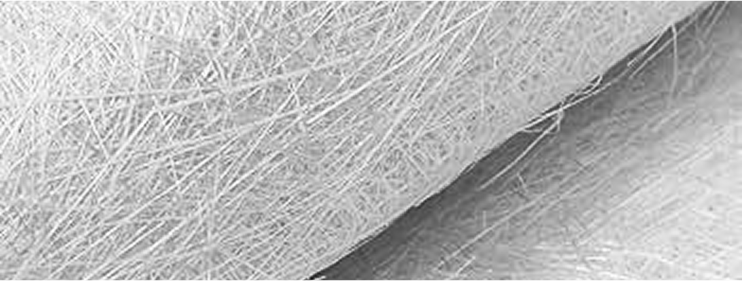
Leading fiberglass manufacturer Redhawk Fiberglass offers a 6-Point Mat (Chopped Strand Fiberglass), which features excellent flowability and high-temperature stability for diverse fiberglass composites

Premier fiberglass manufacturer Redhawk Fiberglass offers Glass Fiber Reinforced Gypsum (GRG) board, a lightweight, high-strength solution for diverse architectural and construction applications.
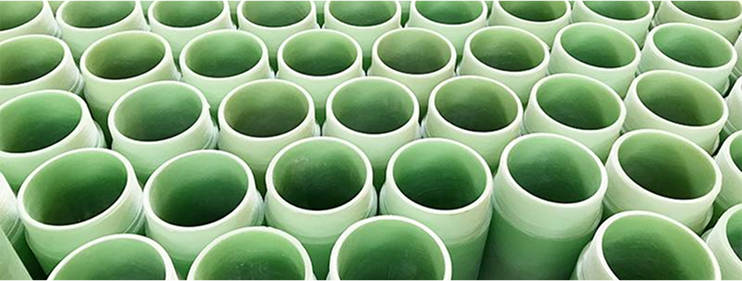
Premier fiberglass manufacturer Redhawk Fiberglass offers Filament Winding, creating precise, high-strength fiberglass composites with excellent thermal and chemical stability for demanding applications.
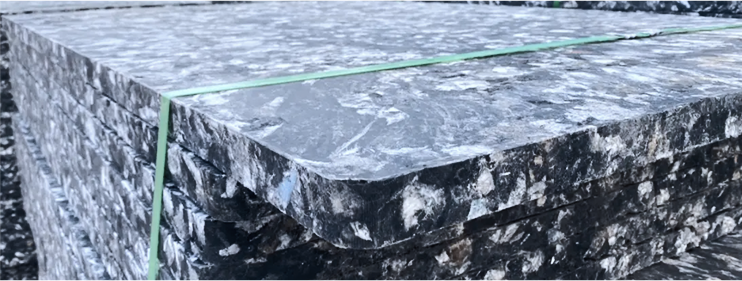
Premier fiberglass manufacturer Redhawk Fiberglass offers Engineering Thermoplastics (GFRT), a lightweight, high-performance fiberglass composite that boosts strength, heat resistance, and dimensional stability for diverse industrial uses.




.png)