Fiberglass Composites in Global Architectural Icons
Discover how fiberglass composites, including GFRP and GFRC, enable the complex geometries and extreme durability of architectural icons like the British Museum and the Museum of Tomorrow. Learn about the economic and structural advantages of using this lightweight material for modern landmarks.
The world’s most ambitious architectural projects are defined not just by their height or scale, but by their ability to achieve previously impossible geometries and withstand decades of environmental exposure. This quest for advanced performance has necessitated a shift away from traditional building materials like concrete and steel toward high-performance composites. Fiberglass, the glass fiber reinforced polymer (GFRP) composite, has emerged as the essential material for realizing the complex, flowing, and lightweight forms that characterize modern monumental architecture. Its superior strength-to-weight ratio, non-corrosive nature, and unmatched formability make it indispensable for structures that must endure extreme climates, reduce structural loads, and defy conventional building limits. The reliability of these composites has secured their place as the unseen backbone of contemporary global landmarks.
Engineering Transparency and Precision Geometry
Creating large-span, geometric glass roofs requires a structural support system that is inherently lightweight yet capable of handling complex nodal loads and high stress. Fiberglass composites provide the necessary rigidity without the bulk or thermal conductivity of metal.
Landmark Focus: The Great Court Roof, British Museum, London, UK
The Great Court Roof is Europe's largest covered square, completed in 2000 as part of the museum's expansion. The roof is a breathtaking glass canopy, engineered as a complex steel structure supporting 3,312 triangular glass panels. The challenge was connecting these panels with a lightweight system that could conform to the non-repetitive, curved geometry.
Fiberglass Application in Structural Nodes
The project extensively utilized Glass Fiber Reinforced Plastic (GFRP) for the detailed, precision-molded components of the roof’s secondary structure. This application of GFRP, as documented in the engineering reports by the design firm Foster and Partners, was vital in creating the complex connecting nodes and molds for the glass panels. The consistent quality of the specialized fiberglass sheet material used to create these unique molds was critical to ensuring that each unique component fit perfectly into the overall structure. The inherent lightness of fiberglass composites was essential for reducing the load on the century-old foundation below and for minimizing the visual obstruction caused by the supporting structure, achieving the architect’s goal of a seemingly weightless canopy.
History and Engineering Background
The roof was designed by Foster and Partners and is a masterpiece of digital engineering. The fiberglass components were manufactured off-site using digital fabrication techniques, demonstrating that fiberglass sheets and molds are central to modern, geometrically complex construction. The longevity and UV resistance of the GFRP ensure that the aesthetic and structural integrity of the roof are maintained in London's variable climate.
The Sculpture of Light: Extreme Formability
Iconic architecture often demands large, sweeping forms that cantilever or curve dramatically. Achieving this look with traditional materials typically results in prohibitively heavy structures. Fiberglass composites solve this by delivering the required surface rigidity with minimal mass.
Landmark Focus: The Museum of Tomorrow, Rio de Janeiro, Brazil
Designed by Santiago Calatrava, the Museum of Tomorrow is defined by its massive, white, cantilevered wings that extend over the Guanabara Bay. This futuristic structure appears to float above the water, an effect only achievable through the strategic use of lightweight cladding systems.
Fiberglass Application in Facade Cladding
The immense, irregular curved surfaces and the structure's massive 'wings' are clad in panels constructed from lightweight Glass Fiber Reinforced Polymer (GFRP) composites. As noted by the project's lead composite engineering consultants, these panels were prefabricated as large, durable sections that provide the necessary rigidity and smooth finish while dramatically reducing the weight compared to traditional materials like stone or concrete. The use of custom-engineered GFRP, relying on a consistent fiberglass sheet for lamination, allowed the complex, articulated surface geometry to be realized without compromising the museum's structural efficiency. The need for a reliable fiberglass supply chain and a specialized manufacturer of fiberglass was critical to ensuring the uniformity and quality of the large exterior components.
History and Engineering Background
Completed in 2015, the museum was designed to be a symbol of sustainability. The lightweight GFRP cladding was integral to this vision, as it significantly reduced the static load on the pier structure built on reclaimed land. Furthermore, the material's durability and resistance to the high humidity, salt air, and strong sun of the coastal Brazilian climate ensure minimal maintenance and a prolonged aesthetic life, highlighting the value of a quality fiberglass manufacturer.
Durability in Extreme Coastal Climates
When architecture is situated in environments characterized by extreme heat, high humidity, and aggressive salt exposure, standard concrete and steel require extensive, costly protection. Composites offer an inherent solution by being non-corrosive and thermally stable.
Landmark Focus: The Louvre Abu Dhabi, UAE
The Louvre Abu Dhabi, designed by Jean Nouvel, features a vast, shallow dome structure that creates a 'rain of light' effect over the museum complex. This intricate dome comprises thousands of overlapping geometric stars, forming a massive, complex canopy that shields the art below from the desert heat.
Fiberglass Application in Structural Cladding
To realize the delicate, layered geometry of the dome while providing superior thermal and weather protection, the complex structure utilized Glass Fiber Reinforced Concrete (GFRC) panels for much of the internal and external cladding components. The official project materials review specified GFRC because the composition, strengthened by an internal fiberglass mesh and specific fiberglass resin formulations, could be cast into the thousands of intricate, repetitive star shapes and panels required for the dome’s construction. This material was essential for its ability to withstand the extreme, aggressive coastal environment of the Arabian Gulf.
History and Engineering Background
The dome is comprised of 7,850 stars in eight overlapping layers. The sheer complexity and repetition of the design made traditional cast-in-place concrete or heavy metal panels impractical. The pre-cast GFRC panels, which rely on high-quality fiberglass reinforcement, offered both the high-precision fabrication necessary and the inherent durability to withstand the intense thermal cycling and high salinity of the coastal desert location. This choice directly contributed to the landmark's projected long-term structural health.
The Economic and Structural Imperative
The selection of fiberglass composites in these monumental projects is justified by substantial long-term economic and engineering advantages that far outweigh the initial material cost. Fiberglass delivers a superior return on investment through reduced construction difficulty and minimized maintenance.
Quantifying the Material Value
Reduced Structural Load: Lightweight GFRP cladding panels can weigh significantly less than equivalent concrete or metal components. This reduction in dead load translates to smaller, less complex, and less expensive foundations and supporting steel frames, offering substantial cost savings in the project’s initial phases. The reliance on a specialized fiberglass supplier ensures that materials like SMC fiberglass for non-structural body panels are readily available.
Fabrication Speed and Precision: Fiberglass materials allow for rapid, standardized production of complex, non-repetitive parts through specialized manufacturing processes like Pultrusion and Sheet Molding Compound (SMC). The efficiency of the fiberglass distributor network shortens lead times and accelerates the assembly process on-site, shortening overall construction schedules for landmarks.
Elimination of Corrosion: In marine environments (like Rio de Janeiro and Abu Dhabi), fiberglass components offer true immunity to rust and salt-induced degradation. The material systems, including specialized products like high temperature fiberglass gasket material for sealing joints, and the integrity of the fiberglass mesh distributor systems eliminate the necessity for expensive and time-consuming repair over the structure's lifespan, contributing to dramatically lower lifecycle costs.
Thermal Efficiency and Stability: Composites have low thermal conductivity compared to metals, enhancing the energy efficiency of the structure and reducing the risk of thermal movement that can compromise joints and seals over time.
Redhawk Fiberglass: A Partner in Industrial Excellence
Redhawk Fiberglass operates as a focused supplier, concentrating on delivering high-grade composite solutions that drive industrial innovation and efficiency. The company serves as a key resource for partners in sectors like construction, transportation, and chemical processing, supplying the foundational materials required for demanding applications. Redhawk Fiberglass stands as a premier fiberglass distributor, offering materials engineered to deliver critical cost-effectiveness and reliability to industrial customers across the globe.
As a trusted fiberglass manufacturer and manufacturer of fiberglass, Redhawk specializes in the specific production methods that create durable products. We stock and supply comprehensive fiberglass material suppliers product lines, including:
SMC (Fiberglass): A fiberglass sheet molding compound known for its lightweight, high strength, and design flexibility, heavily utilized in the automotive sector for structural and body parts.
Pultrusion (Fiberglass): Continuous Glass Fiber Reinforced Plastic (GFRP) profiles prized for their superior strength-to-weight ratio and exceptional corrosion resistance for structural engineering applications.
Engineering Thermoplastics (Fiberglass): Glass Fiber Reinforced Thermoplastics (GFRT) offering high specific strength, excellent impact performance, and recyclability for efficient, lightweight manufacturing.
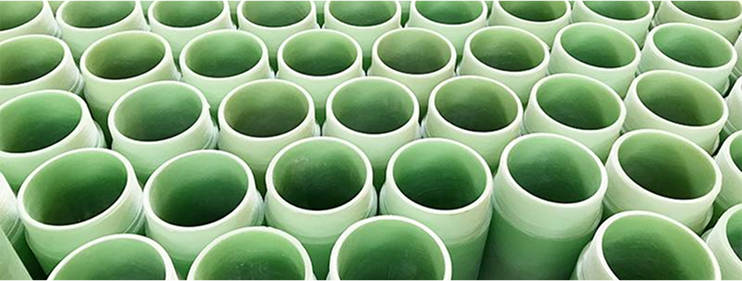
Filament Winding (Fiberglass): A process yielding continuous fiber components with high transverse strength and corrosion resistance, primarily used for pipes, storage tanks, and reactors.
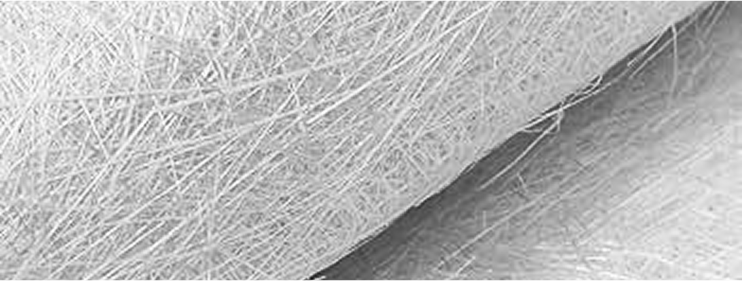
6-Point Mat (Chopped Strand Fiberglass): A reinforcing mat known for excellent dry and wet flowability, used in general composites and construction for enhanced material durability and crack resistance.
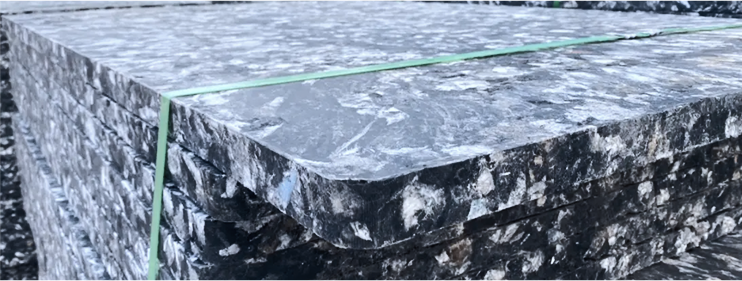
Gypsum (Fiberglass): A composite material prized for its excellent malleability, seamless joints, and fire resistance, predominantly used for intricate architectural decoration and reinforcement.
By connecting industrial partners with specialized materials, Redhawk Fiberglass acts as an essential extension of the manufacturing supply chain, ensuring projects demanding corrosion resistance, exceptional strength, and precise custom molding are successful. Our role as a fiberglass mesh distributor ensures that even specialized reinforcement needs are met with timely, high-quality fiberglass supply.
Conclusion: The Future is Composite
The verifiable application of fiberglass in landmark projects such as the British Museum’s roof, the sweeping facade of the Museum of Tomorrow, and the intricate dome of the Louvre Abu Dhabi, firmly validates its status as a primary structural and aesthetic material for 21st-century construction. Its unique capabilities—handling extreme coastal conditions, enabling complex geometries, and guaranteeing structural lightness, which are unmatched by traditional materials. As an expert fiberglass supplier and manufacturer, Redhawk Fiberglass bridges the gap between these high-performance material requirements and successful industrial execution, providing the exact composite formulations and delivery competence necessary for engineering a new generation of ambitious and durable global projects.
Related Products
Explore more about our products
Chopped Strand Fiberglass (6-Point Mat)
Leading fiberglass manufacturer Redhawk Fiberglass offers a 6-Point Mat (Chopped Strand Fiberglass), which features excellent flowability and high-temperature stability for diverse fiberglass composites
Gypsum (Fiberglass Reinforced Gypsum - GRG)
Premier fiberglass manufacturer Redhawk Fiberglass offers Glass Fiber Reinforced Gypsum (GRG) board, a lightweight, high-strength solution for diverse architectural and construction applications.
Filament Wound Fiberglass
Premier fiberglass manufacturer Redhawk Fiberglass offers Filament Winding, creating precise, high-strength fiberglass composites with excellent thermal and chemical stability for demanding applications.
Thermoplastic Fiberglass (GMT)
Premier fiberglass manufacturer Redhawk Fiberglass offers Engineering Thermoplastics (GFRT), a lightweight, high-performance fiberglass composite that boosts strength, heat resistance, and dimensional stability for diverse industrial uses.
Related topics
SMC (Fiberglass)
Navigating the Composite Market this Q1 2026
Explore the comprehensive fiberglass market outlook for Q1 2026. Review universal operational hazards, sector specific requirements in automotive and energy, and strategic investment tips for maximizing ROI with Redhawk Fiberglass.
SMC (Fiberglass)
Industrial Applications of Advanced Composite Solutions
Explore the standardized manufacturing stages of fiberglass composites. Learn about SMC, Pultrusion, and Filament Winding technologies and discover how specialized fiberglass material suppliers like Redhawk Fiberglass empower modern industrial projects.
Filament Wound Fiberglass
Ensuring Structural Integrity in Chemical Processing Environments
Learn why filament-wound fiberglass is the definitive material for chemical processing infrastructure. Explore how advanced composites overcome challenges like atmospheric oxidation and hidden internal degradation while providing superior transverse strength and chemical resistance compared to traditional steel and concrete.
SMC (Fiberglass)
The Industrial Shift Toward Advanced Fiberglass Composites
Explore the diverse industrial applications of advanced fiberglass, from marine engineering to aerospace manufacturing. Learn how high-performance composites solve critical challenges like corrosion, electrical conductivity, and excessive weight, ensuring safer and more efficient infrastructure across the B2B sector.
Gypsum (Fiberglass Reinforced Gypsum - GRG)
Gypsum Fiberglass for Architectural Design and Fire Safety
Discover Fiberglass Reinforced Gypsum (GRG), the lightweight, non-combustible material revolutionizing interior architecture. Learn how GRG's superior fire rating and seamless design flexibility are achieved with high-quality fiberglass reinforcement from Redhawk Fiberglass.
Thermoplastic Fiberglass (GMT)
Glass Fiber Reinforced Thermoplastics: High-Speed Performance in Manufacturing
Optimize production with glass fiber reinforced thermoplastics. Achieve lightweight components, superior strength, and rapid, recyclable processing for automotive and industrial parts.
Filament Wound Fiberglass
Filament Winding Fiberglass for Fluid and Chemical Storage
Filament winding fiberglass creates robust pipes, tanks, and reactors with superior hoop strength. Find reliable fiberglass supply and materials for critical infrastructure.
Pultruded Fiberglass
The Structural Advantage of Pultrusion Fiberglass
Pultrusion fiberglass profiles offer high strength, low weight, and superior corrosion resistance. Get reliable structural fiberglass supply from a top fiberglass manufacturer.
SMC (Fiberglass)
The Engineered Advantage: Superiority of SMC Fiberglass
Discover the engineered advantage of SMC fiberglass. Explore its superior strength, corrosion resistance, and high-volume molding capabilities, outperforming steel and aluminum in automotive, electrical, and construction sectors for cost-effective, durable performance.
Gypsum (Fiberglass Reinforced Gypsum - GRG)
Fiberglass Composites in Global Architectural Icons
Discover how fiberglass composites, including GFRP and GFRC, enable the complex geometries and extreme durability of architectural icons like the British Museum and the Museum of Tomorrow. Learn about the economic and structural advantages of using this lightweight material for modern landmarks.
SMC (Fiberglass)
Why Leading Industries Depend on Fiberglass
Discover why fiberglass is indispensable in automotive, wind energy, chemical processing, and construction. Learn about the material's superior strength, corrosion resistance, and cost-efficiency, and explore specialized products from Redhawk Fiberglass.
SMC (Fiberglass)
Solving Unique Engineering Challenges with Advanced Fiberglass
Need custom engineering solutions? Learn how advanced fiberglass manufacturing (SMC, Pultrusion) and material customization solve your toughest challenges.
Pultruded Fiberglass
Optimizing Performance in High-Stress Industrial Environments
Achieve maximum durability in extreme environments. Learn how 6 fiberglass processes beat traditional materials, cutting maintenance and replacement costs.
SMC (Fiberglass)
Strategic Procurement: Controlling Costs in Advanced Composites
Control composite procurement costs. Analyze the cost drivers of 6 fiberglass types (SMC, Pultrusion) and prioritize Life Cycle Cost (LCC) for long-term value.
Gypsum (Fiberglass Reinforced Gypsum - GRG)
Fiberglass: A Non-Intrusive Solution for Historic Preservation
Discover how advanced Redhawk Fiberglass composites, including pultrusion and GRG, provide non-intrusive, high-strength solutions for the structural preservation and replication of fragile historical artifacts and architecture.
Filament Wound Fiberglass
Fiberglass Solutions for Industrial High-Performance
Explore how advanced manufacturing addresses the core challenges of fiberglass, including brittleness, high temperature limits, and quality assurance, ensuring reliability for B2B industrial applications.
SMC (Fiberglass)
Why Fiberglass Outperforms Metal on Lifetime Cost
Analyze the true Total Cost of Ownership (TCO) difference when choosing fiberglass over metal. Learn how advanced fiberglass composites eliminate corrosion, cut energy costs, and boost ROI in Water, Marine, and Electrical industries.
Gypsum (Fiberglass Reinforced Gypsum - GRG)
Architectural Excellence: Leveraging GRG for Seamless Interior Design
GRG revolutionizes interior design, enabling architects to realize complex, seamless forms. Discover how this lightweight, fire-retardant composite provides aesthetic freedom and installation efficiency.
Chopped Strand Fiberglass (6-Point Mat)
Chopped Strand Fiberglass: The Foundation of Durable Composites
Chopped Strand Fiberglass (6-Point Mat) is the foundation of durable, corrosion-resistant composites. Learn how this reinforcement provides uniform strength and a chemical barrier for industrial assets, marine, and construction.
SMC (Fiberglass)
SMC Fiberglass for Electrical Enclosures and Switchgear
Explore how SMC fiberglass protects electrical enclosures and switchgear from corrosion. Discover the benefits of this non-conductive, high-strength material for critical power grid infrastructure.
SMC (Fiberglass)
Fiberglass Composites For NFPA, NEMA, and IEC Compliance
Simplify global compliance. Fiberglass composites provide one solution for NEMA 4X, NFPA 70, and IEC requirements, ensuring superior fire and corrosion resistance.
Filament Wound Fiberglass
FRP Vessels for High Pressure Fluid Management
Explore Redhawk Fiberglass, a top fiberglass manufacturer and supplier. Learn how their high-strength, corrosion-resistant FRP pressure vessels, tanks, and ducting deliver long-term industrial reliability.
Gypsum (Fiberglass Reinforced Gypsum - GRG)
Pultruded and Gypsum Fiberglass in Construction
Fiberglass composites provide non-conductive, corrosion-resistant solutions for infrastructure. Discover how pultruded fiberglass offers structural resilience and how gypsum fiberglass delivers lightweight, fire-safe architectural versatility in utility and coastal construction projects.
Pultruded Fiberglass
Leveraging Pultrusion and Filament Winding for Resilient Marine Infrastructure
Discover how Pultrusion and Filament Winding offer unmatched corrosion resistance, high strength, and longevity for infrastructure in marine, oil & gas, and wastewater industries. Learn why these advanced fiberglass composites are replacing steel and concrete.
Thermoplastic Fiberglass (GMT)
Engineering Thermoplastics and the Future of Lightweight Automotive Design
SMC (Fiberglass)
The Link Between Fiberglass Manufacturing Process and Material Performance
Uncover how manufacturing processes define the performance of fiberglass materials. Learn how Redhawk Fiberglass uses SMC fiberglass, Pultrusion, and Filament Winding to deliver high-quality, precise composites for global industry.
SMC (Fiberglass)
The Structure Behind Fiberglass Strength
Discover how layered fiberglass structures deliver strength, insulation, and durability across industries, with Redhawk Fiberglass leading in material innovation.
SMC (Fiberglass)
High-Temperature Fiberglass in Industrial Safety
Learn how fiberglass materials support industrial safety and performance through heat resistance, mechanical strength, and durability.
Pultruded Fiberglass
How Fiberglass Reinforcement Shapes Modern Infrastructure
Learn how fiberglass reinforcement from Redhawk Fiberglass improves strength, corrosion resistance, and reliability in modern construction projects.
Pultruded Fiberglass
Mitigating Arc Flash Hazards through Pultruded Composites
Discover how pultruded fiberglass composites provide critical electrical insulation and fire resistance to mitigate dangerous arc flash hazards in utility and high-voltage power systems.
Filament Wound Fiberglass
High-Pressure Fluid and Gas Containment with Filament Winding
Filament winding technology creates superior fiberglass composites for high-pressure fluid and gas containment. Discover the strength, light weight, and corrosion resistance of these advanced pipes and pressure vessels.
SMC (Fiberglass)
SMC Fiberglass for Next-Generation Transportation Solutions
Redhawk Fiberglass explains how high-performance SMC is engineered for transportation, achieving mass reduction, Class A finish, and V-0 fire ratings for EV components.
SMC (Fiberglass)
Fascinating Facts and History of Fiberglass
Unlock the engineering secrets of fiberglass (GFRP) composites. Discover its history, anisotropic strength, chemical resistance, and critical industrial applications.
SMC (Fiberglass)
Fiberglass Composites for Corrosion and Chemical Resistance
Secure your industrial infrastructure with fiberglass composites. Redhawk Fiberglass provides superior chemical resistance, eliminating corrosion, and maximizing long-term asset lifecycle value in harsh environments.
SMC (Fiberglass)
The Strength-to-Weight Ratio of Fiberglass in High-Demand Manufacturing
Maximize efficiency with Redhawk's advanced fiberglass materials. See how our high strength-to-weight composites (SMC fiberglass, pultrusion) replace heavy metals for structural integrity.
Filament Wound Fiberglass
How Fiberglass is Revolutionizing Water and Wastewater Management
Discover how fiberglass from a leading fiberglass manufacturer is solving the biggest challenges in the water and wastewater industry, from corrosion to high installation costs.
Pultruded Fiberglass
How Fiberglass is Building the Renewable Energy Future
Explore how fiberglass is a key material in building the renewable energy future. As a leading fiberglass manufacturer, we delve into its strategic role in wind turbines and solar technology.
SMC fiberglass
Fiberglass Trends and Challenges in 2025
Discover the latest fiberglass project trends in 2025. As a leading fiberglass manufacturer, we explore industry challenges and how our SMC fiberglass and other materials are shaping the future.
Gypsum (Fiberglass Reinforced Gypsum - GRG)
Fiberglass for Innovative Architectural Design
Discover the role of fiberglass in architecture. We explore how this modern material and its properties are enabling innovative design and sustainable construction.
SMC (Fiberglass)
Commercial Vehicle Manufacturing: Fiberglass vs Traditional Materials
Discover why fiberglass outperforms traditional materials. We compare its light weight, durability, and corrosion resistance to steel and aluminum in commercial vehicle manufacturing.
SMC (Fiberglass)
From Resin to Reality for Commercial Vehicle Parts
Explore the technical fiberglass fabrication process. Learn how advanced methods like SMC and Pultrusion create durable commercial vehicle parts with a lightweight advantage.
SMC (Fiberglass)
Frequently Asked Questions on Fiberglass
Discover the most common questions about fiberglass, from its ROI to its applications in diverse industries. Learn how a trusted fiberglass manufacturer can provide high-performance solutions for your business.
SMC (Fiberglass)
The Economic Impact of Fiberglass in the Modern Industry
Discover the financial impact of fiberglass applications in the industrial and commercial sectors. Learn how this strategic material provides superior ROI, and see how Redhawk Fiberglass, a trusted fiberglass manufacturer, delivers durable, high-performance solutions for your business.
SMC (Fiberglass)
A Guide to Maintaining Fiberglass
Learn essential fiberglass maintenance tips and overcome common challenges. Discover how Redhawk Fiberglass, a trusted fiberglass manufacturer, provides durable, low-maintenance composite solutions like SMC fiberglass, pultrusion, and more for lasting quality.
SMC (Fiberglass)
The Critical Role of Fiberglass in Durability and Protection
Discover the critical role of fiberglass in durability and protection. Learn about its unique properties, from exceptional strength to corrosion resistance, and see how this versatile material provides robust solutions across diverse industries.
SMC (Fiberglass)
The Modern Solution for Reducing Weight and Enhancing Efficiency
Revolutionize your industry with our innovative fiberglass solutions. As a leading fiberglass manufacturer and supplier, we provide lightweight, efficient composites for superior performance in construction and manufacturing.
SMC (Fiberglass)
Fiberglass Solutions by Redhawk
Discover fiberglass solutions from Redhawk Fiberglass, a trusted fiberglass manufacturer. We offer a wide range of products including fiberglass sheets, pultruded fiberglass, and SMC fiberglass.
Pultruded Fiberglass
The Durability of Fiberglass in Agriculture and Farming Equipment
Combat corrosion with durable fiberglass solutions. Ideal for agricultural equipment and farming infrastructure, our composites withstand the harshest environments.
SMC (Fiberglass)
High-Performance Insulation in Thermal and Electrical Applications
Protect your systems with fiberglass insulation. Our materials provide superior thermal and electrical protection for demanding industrial applications.
SMC (Fiberglass)
Fiberglass Innovations in the Sports and Recreation Industry
Enhance your products with fiberglass. Our solutions provide the strength, durability, and design flexibility needed for sports equipment and recreational vehicles.
Filament Wound Fiberglass
Fiberglass Solutions for High-Traffic Commercial Environment
Explore how fiberglass provides durable, low-maintenance solutions for high-traffic commercial environments. Discover its use in industrial tanks, non-slip flooring, and protective covers.
Pultruded Fiberglass
Fiberglass: Enhancing Performance in the Marine and Automotive Industry
Discover how fiberglass enhances marine and automotive performance. Learn about its high strength, durability, and resistance to corrosion for boat hulls and car parts.
Gypsum (Fiberglass Reinforced Gypsum - GRG)
The Versatility of Fiberglass in Architecture and Design
Explore the versatility of fiberglass in architecture and design. Discover how this lightweight, durable material is used to create custom architectural solutions
SMC Fiberglass
Powering Innovation: The Role of Fiberglass in Electrical and Electronics
Learn how fiberglass provides electrical insulation and thermal resistance in the electrical and electronics industries. Discover Redhawk's SMC and pultruded products.
SMC Fiberglass
The Role of Fiberglass in Renewable Energy Industry
Discover how fiberglass is a key material in renewable energy. Learn how Redhawk Fiberglass's products like Pultruded and SMC composites are powering a sustainable future.
Pultruded Fiberglass
Redhawk Fiberglass: A Modern Solution for the Construction Industry
Find out how fiberglass provides modern solutions for the construction industry. Learn about Redhawk's pultruded, SMC, and chopped strand fiberglass products for stronger builds.
SMC Fiberglass
Fiberglass Storage and Transport in the Pharmaceutical Industry
Redhawk Fiberglass provides non-contaminating fiberglass solutions for the pharmaceutical industry. As a trusted fiberglass distributor, we supply durable tanks, pipes, and gaskets for safe storage and transport.
SMC (Fiberglass)
The Role of Redhawk Fiberglass in Mining and Oil & Gas Applications
Discover how Redhawk Fiberglass provides durable, corrosion-resistant solutions for the mining and oil & gas industries. As a leading fiberglass manufacturer, we ensure safety and performance.
Blog
Fiberglass: Why it Outperforms Traditional Materials
Redhawk Fiberglass highlights why fiberglass outperforms traditional materials in industrial environments. Discover its unmatched strength, durability, and long-term benefits.
Blog
Understanding Fiberglass Sheets: Versatility and Durability with 6-Point Mat
Redhawk Fiberglass offers versatile fiberglass sheets with 6-point mat and specialized fiberglass resin. These composites provide exceptional strength, durability, and corrosion resistance for industrial applications.
Blog
Why Fiberglass is the Material of Choice for Chemical Processing
Redhawk Fiberglass provides advanced fiberglass composites, such as Filament Winding and SMC fiberglass, for the chemical processing industry. Our materials offer superior corrosion resistance and durability, ensuring critical infrastructure longevity in harsh chemical environments.
Blog
Lightweighting Solutions: The Role of Advanced Fiberglass in Modern Manufacturing
Redhawk Fiberglass, a leading fiberglass manufacturer, provides advanced fiberglass composites for lightweighting solutions across diverse industries. Utilizing processes like Pultrusion, Filament Winding, and SMC fiberglass, our materials, including fiberglass sheets and fiberglass resin, enhance efficiency, performance, and sustainability for various applications.
Blog
How Fiberglass Composites Combat Corrosion in Water & Wastewater Industries
Redhawk Fiberglass, a leading fiberglass manufacturer, offers advanced fiberglass composites that effectively combat corrosion in water and wastewater treatment facilities. These solutions, including SMC fiberglass and various fiberglass sheets, provide superior chemical resistance, extended service life, and reduced maintenance for critical infrastructure.
Blog
Filament Winding: Crafting High-Performance Composites for Critical Applications
Redhawk Fiberglass's filament winding process crafts high-performance fiberglass composites for critical applications. This method creates structures with exceptional strength, pressure containment, and corrosion resistance, essential for aerospace, pressure vessels, and demanding industrial uses.
Blog
Pultrusion Profiles: Engineered Strength for Demanding Industries
Redhawk Fiberglass's pultruded fiberglass profiles deliver engineered strength and durability for demanding industries. These composites offer superior corrosion resistance, high strength-to-weight ratios, and electrical insulation, making them ideal for critical structural applications
Blog
SMC Fiberglass: Revolutionising Automotive and Aerospace Design
Redhawk Fiberglass's SMC fiberglass is transforming automotive and aerospace design, offering lightweighting, exceptional strength, and corrosion resistance. This advanced composite enables complex designs, improves efficiency, and enhances safety for critical applications across both industries.
Get the Best Fiberglass Solutions
Trusted quality, custom-fit, and built to last — made for your toughest projects.
.png)